
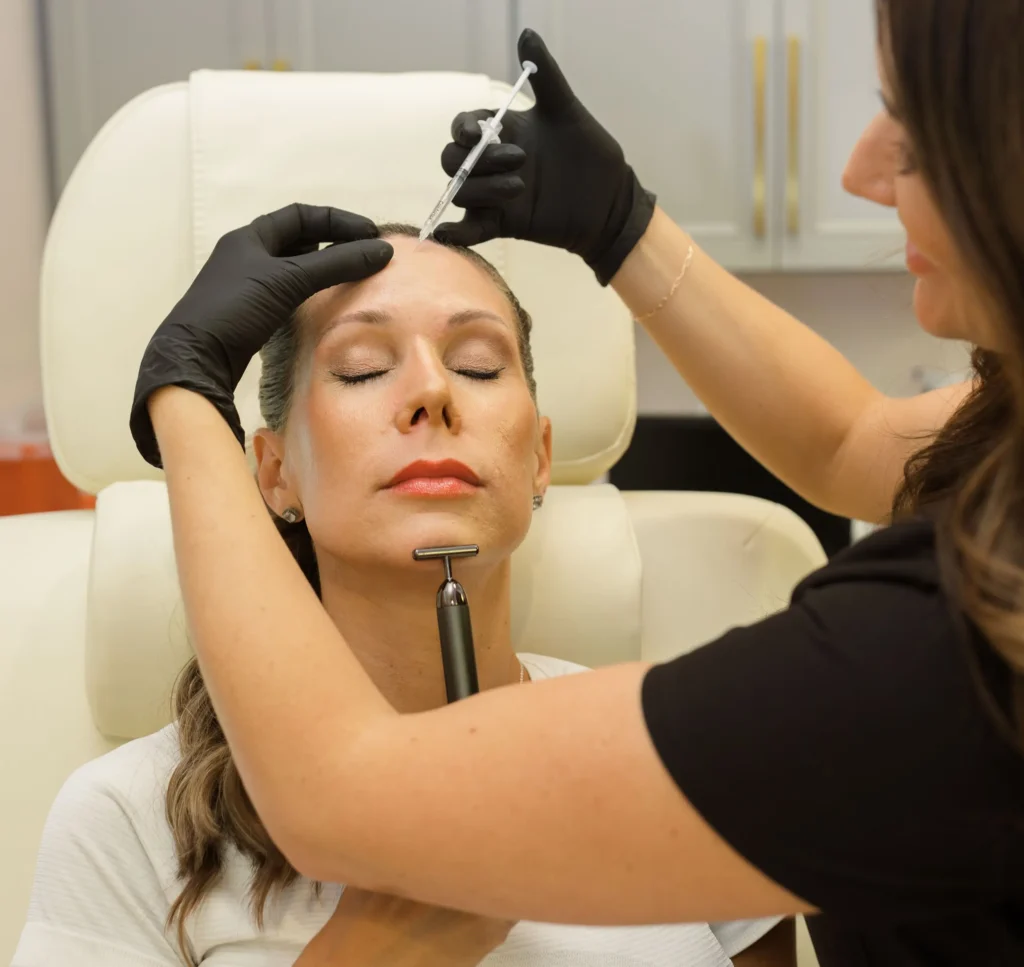
Botox for TMJ is an increasingly popular, non-surgical treatment designed to relieve jaw tension, reduce discomfort, and improve overall quality of life. By targeting the muscles responsible for clenching and grinding, Botox helps relax excessive movement that can lead to pain, stiffness, and even chronic headaches. This makes it a valuable option for individuals struggling with persistent jaw tension or TMJ-related symptoms.
At FAB Face and Body in Battle Creek, MI, Botox treatments for TMJ are tailored to each patient’s needs, focusing on both symptom relief and long-term comfort. Understanding how Botox works for TMJ and what results to expect can help you determine if this treatment is the right fit for your concerns.
What Is TMJ and How Does It Affect You?
TMJ refers to the temporomandibular joint, which connects the jaw to the skull and plays a key role in everyday movements like chewing, speaking, and opening the mouth. When this joint or the surrounding muscles become strained or overworked, it can lead to a condition commonly referred to as TMJ disorder, or TMD. This often develops from habits like jaw clenching, teeth grinding, or prolonged muscle tension.
At FAB Face and Body, TMJ-related concerns are approached with a focus on relieving muscle tension and improving overall comfort. Understanding how TMJ affects the body can help explain why symptoms often extend beyond the jaw itself.
Common Symptoms of TMJ, Jaw Clenching, and Tension
TMJ-related symptoms can vary, but many patients experience persistent jaw tightness, soreness, or fatigue, especially after chewing or waking up in the morning. Jaw clenching and teeth grinding, often occurring during sleep, can place continuous stress on the muscles, leading to ongoing discomfort.
Other common signs include difficulty fully opening or closing the mouth, clicking or popping sounds in the jaw, and a feeling of tension that spreads into the face or neck. These symptoms can gradually worsen over time if the underlying muscle activity is not addressed.
How TMJ Can Contribute to Headaches and Discomfort
The muscles involved in TMJ are closely connected to those in the face, temples, and neck, which is why tension in the jaw can often lead to headaches. Chronic clenching or grinding can place strain on these interconnected muscle groups, resulting in tension headaches or facial pain.
Over time, this constant muscle activity can create a cycle of discomfort that affects daily life, including sleep quality and overall well-being. Addressing the source of this tension is key to reducing both jaw-related symptoms and the associated headaches that often come with it.
How Botox Works for TMJ Relief
Botox works for TMJ relief by targeting the overactive jaw muscles responsible for clenching, grinding, and tension. Instead of treating only the symptoms, this approach focuses on reducing the underlying muscle activity that contributes to discomfort. By relaxing these muscles, Botox helps break the cycle of tension that can lead to jaw pain, headaches, and restricted movement.
At FAB Face and Body, Botox for TMJ is used as a non-surgical option to improve comfort while supporting more natural jaw function. Treatments are customized based on the severity of muscle activity and individual symptoms, allowing for a more targeted and effective approach.
How Botox Injections Relax Jaw Muscles and Reduce Tension
Botox injections work by temporarily blocking the nerve signals that cause specific muscles to contract. When injected into the masseter muscles, the primary muscles involved in clenching, the treatment reduces excessive activity, allowing the muscles to relax.
As the tension decreases, patients often experience less tightness, reduced pressure in the jaw, and improved overall comfort. This relaxation can also help prevent further strain on the joint, supporting better function over time.
Why Botox Is Used for Jaw Clenching and TMJ Symptoms
Botox is commonly used for jaw clenching and TMJ symptoms because it addresses the root cause of the issue: overactive muscles. While other treatments may focus on managing pain, Botox helps reduce the repetitive movements that lead to that discomfort in the first place.
By limiting excessive clenching and grinding, the treatment can help minimize strain on the jaw and surrounding areas. This makes it an effective option for patients seeking relief from chronic tension while also preventing symptoms from continuing to worsen.
Benefits of Botox for TMJ
Botox offers a targeted approach to relieving TMJ symptoms by addressing the underlying muscle tension that contributes to discomfort. Rather than masking pain, the treatment works to reduce excessive muscle activity, helping patients experience meaningful relief while improving overall jaw function. This makes it a practical option for individuals dealing with chronic clenching, grinding, and related symptoms.
Because the treatment is non-surgical and requires minimal downtime, it can be easily incorporated into a routine without disrupting daily activities. Over time, consistent treatments can support ongoing comfort and help prevent symptoms from becoming more severe.
Relief from Jaw Pain, Tension, and Headaches
At FAB Face and Body, Botox is used to help relieve persistent jaw pain, muscle tightness, and tension-related headaches caused by TMJ. By relaxing the overactive muscles responsible for clenching and grinding, the treatment helps reduce pressure on the jaw and surrounding areas.
As this tension decreases, patients often notice a reduction in both localized jaw discomfort and the headaches that can result from muscle strain. This can lead to improved daily comfort and a better overall sense of well-being.
Improved Comfort and Reduced Teeth Grinding
Botox can also help reduce the frequency and intensity of teeth grinding, particularly for patients who clench their jaw during sleep. By limiting excessive muscle contractions, the treatment helps protect the teeth and reduce the strain placed on the jaw over time.
This improvement in muscle activity supports better comfort throughout the day and may also contribute to improved sleep quality. With less grinding and tension, patients often experience a more relaxed jaw and a noticeable reduction in ongoing discomfort.
What to Expect During Botox for TMJ Treatment
Botox for TMJ is a straightforward, minimally invasive treatment designed to relieve jaw tension with little disruption to your routine. The process is focused on identifying the specific muscles contributing to clenching and discomfort, then delivering targeted injections to reduce that activity. Understanding each step of the experience can help patients feel more confident and prepared going into treatment.
Because the approach is personalized, no two treatment plans are exactly the same. Each session is tailored to your symptoms, muscle strength, and overall goals for relief.
Consultation and Personalized Treatment Planning
Your experience begins with a consultation, where your provider will evaluate your symptoms, jaw movement, and areas of tension. This step is essential for determining the appropriate injection sites and the amount of Botox needed to relax the targeted muscles effectively.
Patients are encouraged to learn more about the providers performing treatment by visiting the Meet the Team page. Understanding the experience and approach behind your care helps build trust and ensures your treatment is guided by knowledgeable, experienced professionals.
Injection Process and Treatment Experience
During the treatment, small amounts of Botox are injected into the targeted jaw muscles using a fine needle. The process is quick, typically taking only a few minutes, and most patients report minimal discomfort during the injections.
There is no need for downtime so you can return to your normal activities immediately after your appointment. As the treatment begins to take effect over the following days, patients often start to notice a gradual reduction in muscle tension and improved overall comfort.
Botox for TMJ Recovery and Results
Botox for TMJ is a minimally invasive treatment with little to no downtime, making it a convenient option for patients seeking relief without interrupting their daily routine. While the injection process itself is quick, understanding the recovery timeline and how results develop can help set clear expectations. Most patients are able to return to normal activities immediately after treatment, with only minor, temporary side effects.
Because Botox works by gradually relaxing the targeted muscles, results are not immediate but build over time. This allows for a more natural transition from tension and discomfort to improved comfort and function.
Recovery Timeline and Aftercare
After treatment, it is normal to experience mild tenderness, slight swelling, or small injection marks at the treatment sites. These effects are typically short-lived and resolve within a few hours to a day. Most patients do not require any downtime and can resume their routine right away.
To support optimal results, patients are usually advised to avoid massaging the treated area and to limit strenuous activity for the remainder of the day. Following your provider’s personalized aftercare instructions can help ensure the treatment settles properly and delivers the intended results.
When to Expect Relief and How Long Results Last
Relief from jaw tension and discomfort typically begins to develop within a few days, with more noticeable improvements occurring over one to two weeks as the muscles relax. Patients often experience reduced clenching, less pressure in the jaw, and a decrease in tension-related headaches as the treatment takes full effect.
Patients can explore the before-and-after gallery to understand better how Botox for TMJ improves both comfort and muscle-related tension over time. Results generally last around three to four months, after which maintenance treatments can help preserve relief and prevent symptoms from returning.
Finding Botox for TMJ Near Me
Searching for “Botox for TMJ near me” is about more than location—it’s about finding a provider who understands both the aesthetic and functional aspects of treatment. Because TMJ relief requires precise placement and an understanding of jaw muscle dynamics, experience and technique play a key role in achieving effective, comfortable results.
A personalized consultation helps determine whether Botox is the right option for your symptoms and ensures treatment is tailored to your level of tension and muscle activity. This approach supports more targeted relief and a better overall experience.
Why Choose FAB Face and Body for Botox for TMJ in Battle Creek, MI
At FAB Face and Body, Botox for TMJ is performed with a focus on relieving tension while maintaining natural muscle function. Each treatment is customized based on your specific symptoms, allowing for a more precise approach that targets the source of discomfort rather than just the surface symptoms.
The team takes a patient-centered approach, combining expertise with personalized care to ensure treatments are both effective and comfortable. With a focus on both immediate relief and long-term results, patients can feel confident in their treatment plan.
Schedule Your TMJ Consultation Today
If you’re experiencing jaw pain, clenching, or tension-related headaches, Botox may offer a non-surgical solution for relief. Scheduling a consultation is the first step toward understanding your options and creating a treatment plan that works for you.
FAB Face and Body is located at 3494 Capital Ave SW, Battle Creek, MI 49015. To get started, call 269-218-2907 or contact the practice online to book your TMJ consultation and take the next step toward lasting relief and improved comfort.